
Learning the Language
Practical tips for success in living abroad with a new language.

Moving abroad is more than changing your address—it’s stepping into a new rhythm of life. And one of the most powerful tools for feeling at home in a new country is learning the local language.
Whether you’re headed to Germany, Japan, Brazil, or Morocco, making the effort to speak even a little of the native language transforms everything—from daily errands to deeper cultural connections.
It won’t be easy, at least for most people. You won’t be perfect (no one is at first!), but progress builds confidence, and confidence builds community.
Here are some tips on how to start learning before you go—and how to keep growing once you’ve arrived.
Build Your Language Foundation
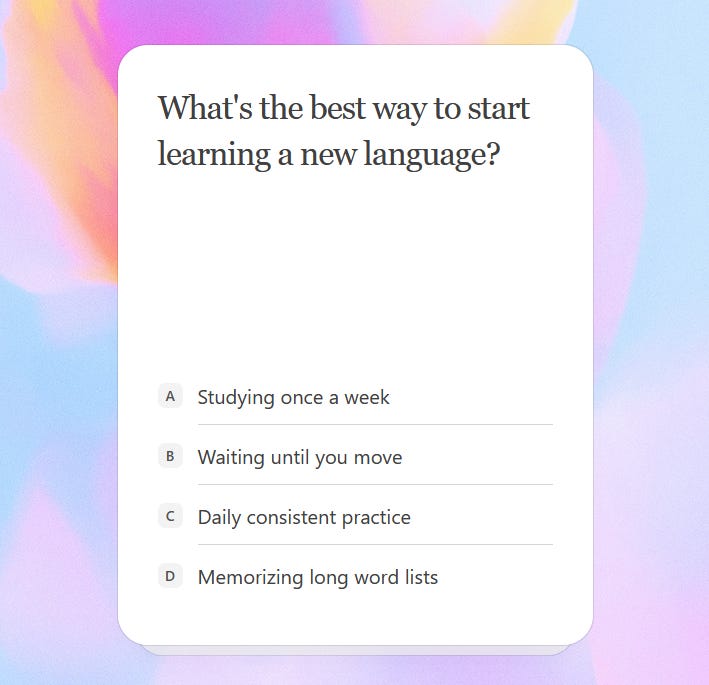
Even a few months of early practice can make your move abroad feel a whole lot easier. The trick? Consistency.
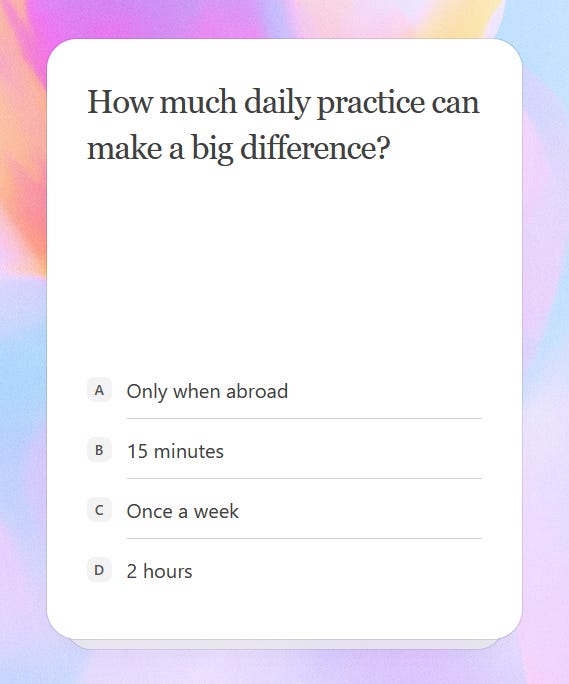
Pick one method—a language app, an online course, or even a favorite book—and stick with it every day. You don’t need hours. Just fifteen minutes daily adds up quickly.
There are plenty of options to fit your style.
Love quick, game-like lessons? Try apps like Duolingo, Babbel, Memrise, Drops, or Mondly.
Want something more structured? Coursera, EdX, Rosetta Stone, or FluentU go deeper into grammar and culture.
Prefer a casual vibe? YouTube channels such as Easy Languages or Language Transfer bring the spoken word to life.
The method matters less than showing up every day. Choose a method that matches your learning style—visual, auditory, or hands-on—and commit to daily practice. The key is building a habit.
As you’re learning, focus on what you’ll actually use. Think greetings, directions, shopping words, how to order food, and other survival phrases. Create a small cheat sheet of “first-week essentials” and keep it handy.
And don’t forget your ears.
Even before you understand the words, just listening helps your brain adjust to the rhythm of a new language. Podcasts like Coffee Break Languages or News in Slow (French, Italian, Spanish) are great. Turn on foreign TV with subtitles, or play music playlists in your target language while cooking or driving.
“Make yourself a “first-week abroad” cheat sheet. When you can confidently say “hello,” “thank you,” and “where is…?” you’ll feel instantly more at home.”
After You Arrive: From Classroom to Real Life
Once you land, the real adventure begins—learning in the wild. This is where bravery and curiosity matter most.
Start by signing up for a local class. Many universities, cultural institutes like Alliance Française or Goethe-Institut, and community centers offer beginner-friendly options.
Private tutors and immersion groups are also fantastic for building confidence and catching those cultural nuances that textbooks miss.
Outside of class, swap some of your entertainment for local media. Watch the evening news, binge popular series, or pick up children’s books and graded readers to practice. Add subtitles if you need them—and when you’re ready, turn them off to really test yourself.
Most importantly, get social. Join meetups, language exchanges (Tandem, HelloTalk, ConversationExchange), or community hobby groups. Volunteer, shop at local markets, and attend events.
You’ll feel awkward at first, but showing up with a smile and trying—mistakes and all—goes a long way.

Staying Motivated
Progress comes in small victories, like ordering your morning coffee without switching to English or making your first local friend. Celebrate those wins!
Don’t fear mistakes—they’re proof you’re learning.
If you get bored, mix it up: try flashcards, journaling, voice notes to yourself, or even language games. And above all, be patient. Fluency isn’t the goal—connection is.
Final Thoughts: Language Is a Bridge
You don’t need perfect grammar to thrive abroad. You just need to try. Every new word is a step closer to belonging.
The beauty of language learning is that it doesn’t just change how you communicate—it changes how you see the world. Suddenly, everyday moments take on new color and meaning.
So why wait? Download that app. Turn on that show. Say “hello” in a new way today. Your future self—and your future friends—will be glad you did.